



The Big Decision: Protection or Style?
As a seasoned wrap expert with over 15 years in the trenches, I’ve seen countless vehicle owners wrestle with a common dilemma: Should I get paint protection film (PPF) or a full vinyl wrap for my ride? It’s a fantastic question, and one that boils down to your primary goals for your vehicle. Are you looking for serious defense against road hazards, a complete aesthetic overhaul, or a bit of both?
Table Of Content
- The Big Decision: Protection or Style?
- What is paint protection film (PPF)?
- Key Characteristics of PPF
- When to Choose PPF
- PPF Costs (2025-2026 Estimates)
- What is a Vinyl Wrap?
- Key Characteristics of Vinyl Wrap
- When to Choose a Vinyl Wrap
- Vinyl Wrap Costs (2025-2026 Estimates)
- PPF vs. Vinyl Wrap: A Direct Comparison
- Making Your Decision: Which is Right for You?
- Final Thoughts from Your Wrap Expert
Let’s dive into the practical realities of each option, helping you make an informed decision that you won’t regret down the road.
What is paint protection film (PPF)?
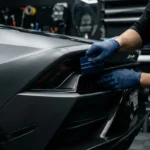
Think of PPF as an invisible shield for your vehicle’s original paintwork. Also known as “clear bra,” PPF is a highly durable, transparent urethane film designed to protect your vehicle from physical damage. It’s often applied to high-impact areas like bumpers, hoods, fenders, and side mirrors, but can also cover an entire vehicle.
Key Characteristics of PPF
- Material & Thickness: PPF is typically a clear, thermoplastic urethane film, usually 6-8 mil thick (much thicker than vinyl wraps). Premium brands like Xpel Ultimate Plus, STEK DynoShield, and 3M Scotchgard Pro Series utilize advanced self-healing polymers that can “repair” minor scratches and swirl marks when exposed to heat.
- Protection: Its primary purpose is superior protection against rock chips, road debris, scratches, bug acids, bird droppings, and UV fading. It effectively prevents these elements from reaching and damaging your factory paint.
- Appearance: It’s virtually invisible, maintaining your vehicle’s original color and finish (though matte and satin PPF options are also available to transform a glossy paint job into a non-reflective finish). Many films also have hydrophobic properties, making your car easier to clean.
- Durability: High-quality PPF typically lasts 5-10 years, often coming with a manufacturer’s warranty against yellowing, cracking, or peeling.
When to Choose PPF
PPF is ideal if your main priority is preserving your vehicle’s original paint in pristine condition, especially if you drive frequently on highways, gravel roads, or plan to sell the car later and want to maintain its resale value. It’s an investment in protection.
PPF Costs (2025-2026 Estimates)
Professional PPF installation is intricate and requires skilled labor. Costs vary significantly based on coverage:
- Full Front End (Bumper, Partial Hood/Fenders, Mirrors): $1,800 – $3,500
- Full Hood & Fenders: $1,500 – $2,500
- Full Vehicle: $5,000 – $9,000+, depending on vehicle size and complexity (e.g., a full PPF on a 2024 Porsche 911 could easily exceed $8,000).
What is a Vinyl Wrap?
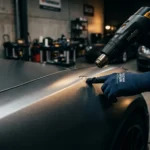
A vinyl wrap, or “color change wrap,” is primarily a way to change your vehicle’s appearance without a permanent paint job. It involves applying a thin, adhesive-backed vinyl film over your car’s existing paint.
Key Characteristics of Vinyl Wrap
- Material & Thickness: Vinyl wraps are PVC-based films, typically 2.5-3.5 mil thick. You’ll often hear about “cast vinyl” (premium, highly conformable, long-lasting, e.g., 3M 2080, Avery Supreme Wrapping Film) and “calendered vinyl” (more affordable, stiffer, better for flat surfaces, less durable).
- Protection: While not its main purpose, a vinyl wrap does offer a decent layer of protection against minor abrasions, swirl marks, UV rays, and light scratches. It acts as a sacrificial layer over your paint.
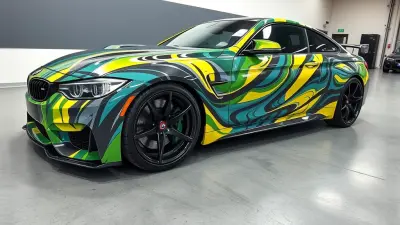
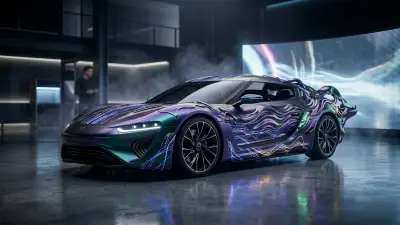
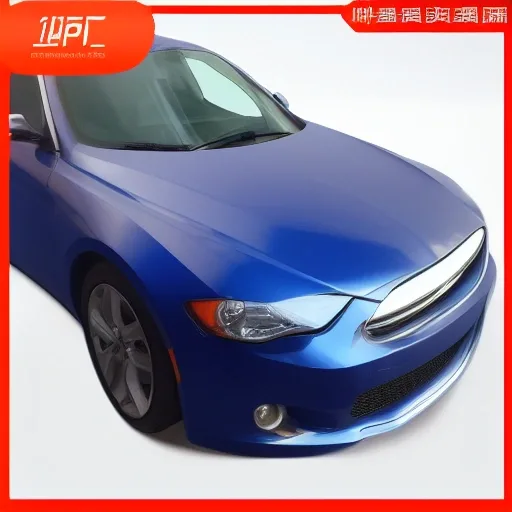
- Appearance: This is where vinyl wraps shine! They offer an almost endless palette of colors, finishes (gloss, matte, satin, metallic, chrome, textured), and custom graphics. Want a vibrant blue matte finish on your Tesla Model Y or a brushed steel look for your Ford F-150? Vinyl can do it.
- Durability: A high-quality vinyl wrap, properly maintained, typically lasts 3-7 years, depending on the film type, climate, and care.
When to Choose a Vinyl Wrap
Choose a vinyl wrap when you want to drastically change your vehicle’s look, experiment with unique finishes, or use it for branding and advertising. It’s a fantastic way to refresh your car’s aesthetics or give it a custom touch without affecting the original paint.
Vinyl Wrap Costs (2025-2026 Estimates)
Vinyl wrap costs depend on the vehicle size, film type (matte, gloss, chrome, textured), and complexity of the install. DIY is an option for simpler jobs but requires significant skill and specialized tools.
- Small Sedan (e.g., Honda Civic): $2,800 – $4,200 (for a full color change)
- Mid-Size SUV (e.g., Toyota RAV4): $3,500 – $5,500
- Large Truck/SUV (e.g., Ford F-150 Crew Cab): $4,000 – $7,000+. (Wrapping a Ford F-150 crew cab typically takes 18-22 linear meters of 60-inch film).
- Partial Wraps (Chrome Deletes, Roof Wrap): $300 – $800
PPF vs. Vinyl Wrap: A Direct Comparison
To simplify your decision, here’s a quick head-to-head:
- Primary Purpose:
- PPF: paint protection (rock chips, scratches, abrasions).
- Vinyl Wrap: Aesthetic change, temporary paint protection.
- Protection Level:
- PPF: Superior impact and abrasion resistance.
- Vinyl Wrap: Good against minor scratches, UV, and swirl marks.
- Aesthetics:
- PPF: Maintains OEM paint color, clear finish (or matte/satin transformation).
- Vinyl Wrap: Unlimited color, texture, and finish options.
- Thickness:
- PPF: 6-8 mil.
- Vinyl Wrap: 2.5-3.5 mil.
- Durability:
- PPF: 5-10+ years (often with warranty).
- Vinyl Wrap: 3-7 years.
- Cost (Professional Installation):
- PPF: Higher per square foot, more expensive for full coverage.
- Vinyl Wrap: Generally more affordable for a full vehicle aesthetic change.
- Maintenance:
- PPF: Wash as normal, compatible with ceramic coatings.
- Vinyl Wrap: Requires wrap-safe cleaning products, avoid harsh chemicals or abrasive waxes.
- Removal: Both should be professionally removed to avoid paint damage, especially if the paint is old or aftermarket.
Making Your Decision: Which is Right for You?
Here’s my advice as your trusted wrap shop owner:
- Choose PPF if:
- Your vehicle has a pristine factory paint job you want to preserve.
- You frequently encounter road debris, gravel, or harsh driving conditions.
- Resale value and long-term paint integrity are your top priorities.
- You love your car’s current color but want to protect it from damage.
- Choose a Vinyl Wrap if:
- You want to completely change your vehicle’s color or finish.
- You’re looking for a cost-effective way to customize your vehicle’s appearance.
- You want to protect your paint from minor wear and tear and UV fading, but not severe impacts.
- You’re using your vehicle for advertising or branding.
- You might want to change the look every few years.
Final Thoughts from Your Wrap Expert
In some cases, the best solution is a combination of both! Many clients opt for a full vehicle vinyl wrap for style and then apply PPF over high-impact areas of the wrap (or even a full PPF over the vinyl) for added protection. This gives you the best of both worlds: a custom look with superior defense.
Ultimately, both PPF and vinyl wraps are excellent investments for your vehicle. They protect your original paint, enhance its aesthetics, and can even help maintain its value. Just be clear on your priorities, and you’ll choose the right path for your ride.